Bloom Scroll
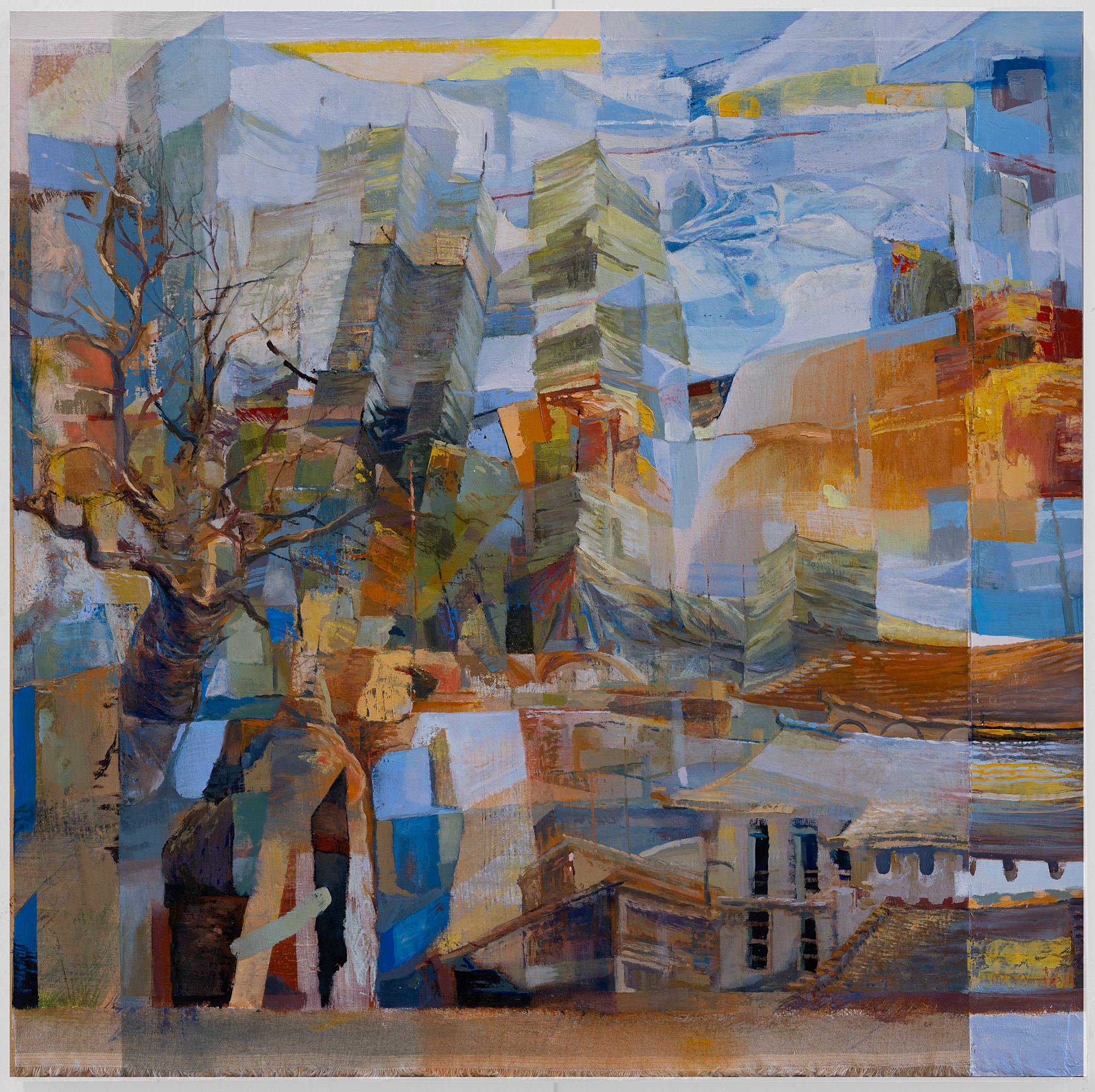
Begun in 2016, these panels are part of a series of landscapes that reflect my experience of living in China, intermixed with my roots in western culture. These mixed media paintings were inspired by the work of Chinese artist Yun Benchu 晕本初, a scroll entitled “Layered Mountains in the Autumn Afterglow” ( 层峦秋季图, 1623), and conflate natural, digital, and interior environments, upending our sense of place and time.
The core of the series consist of five panels, but the project has grown to include a number of improvisations on thematic elements that are woven througout the group, such as swaths of pavement, topographical “maps” or resonant line forms, and studies in oil of the ink work (shown below).



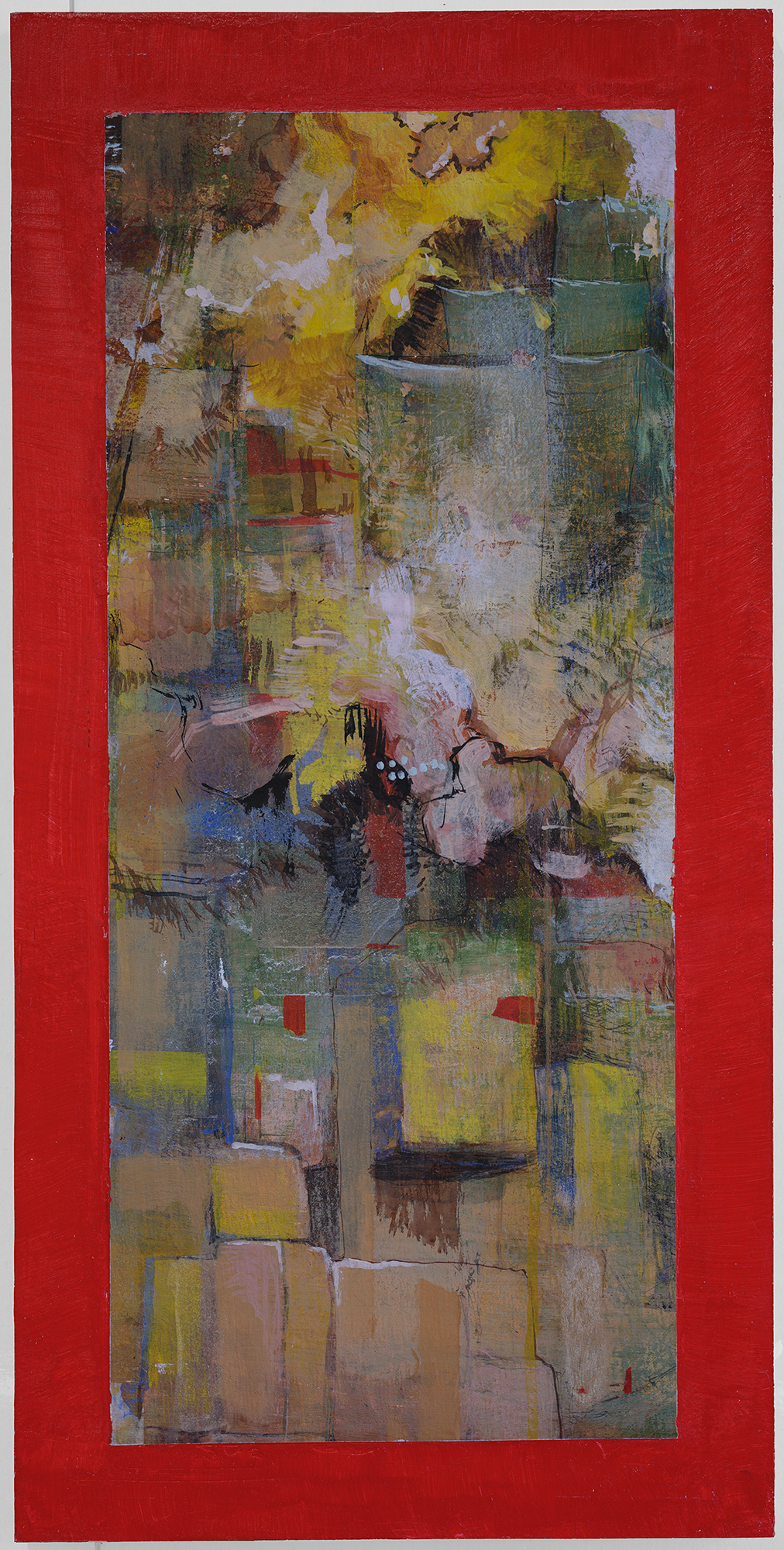
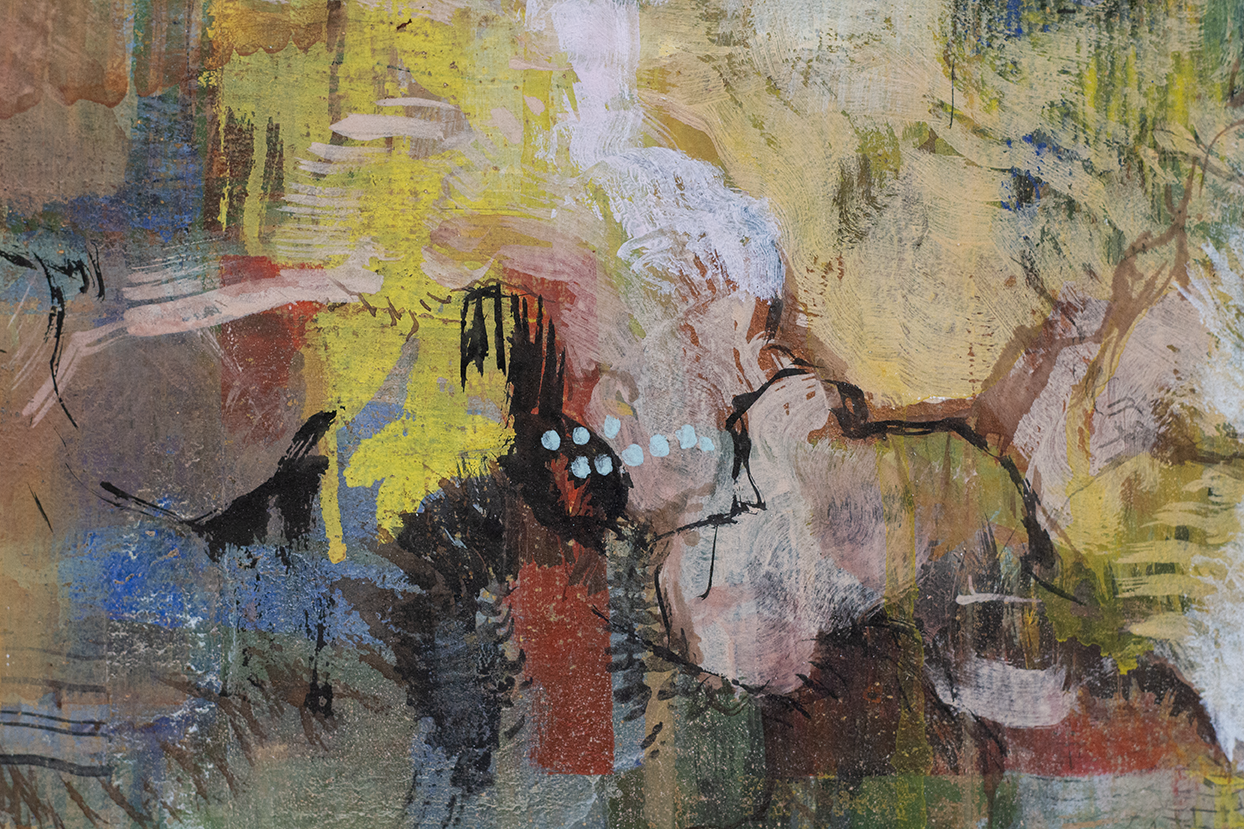


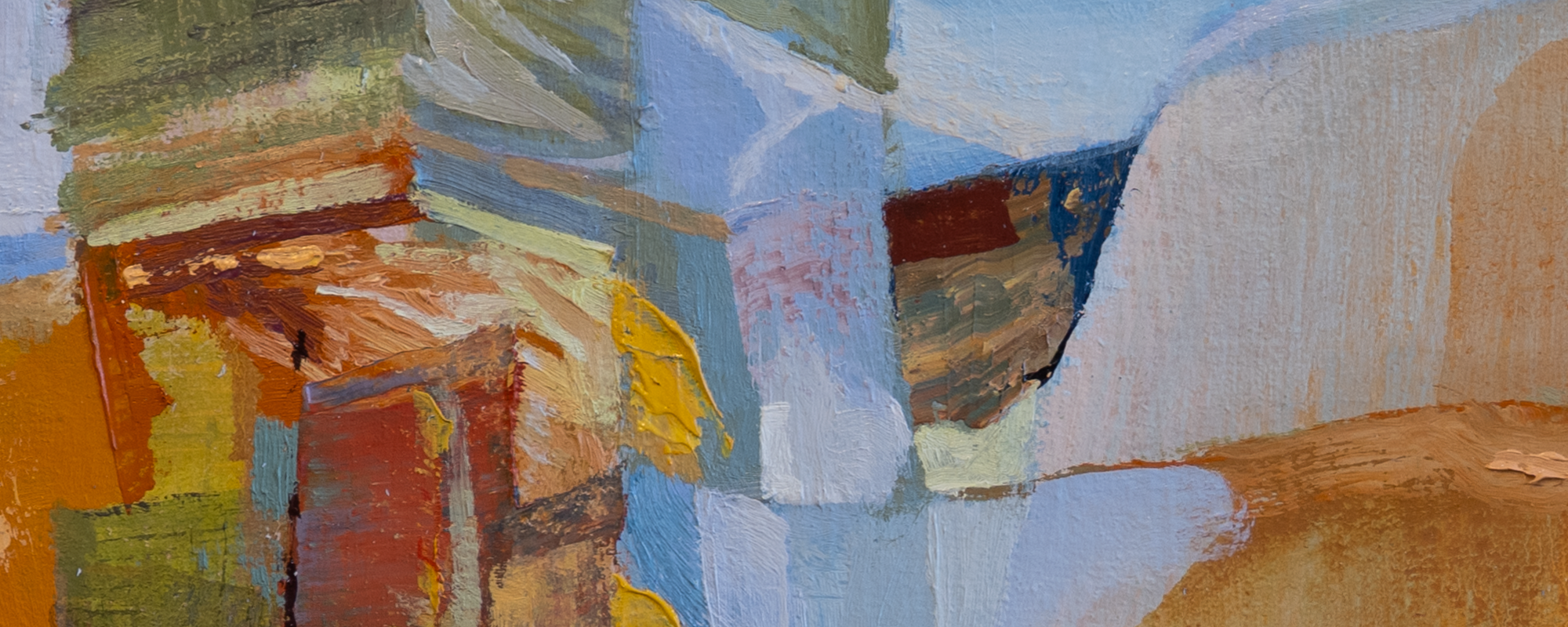
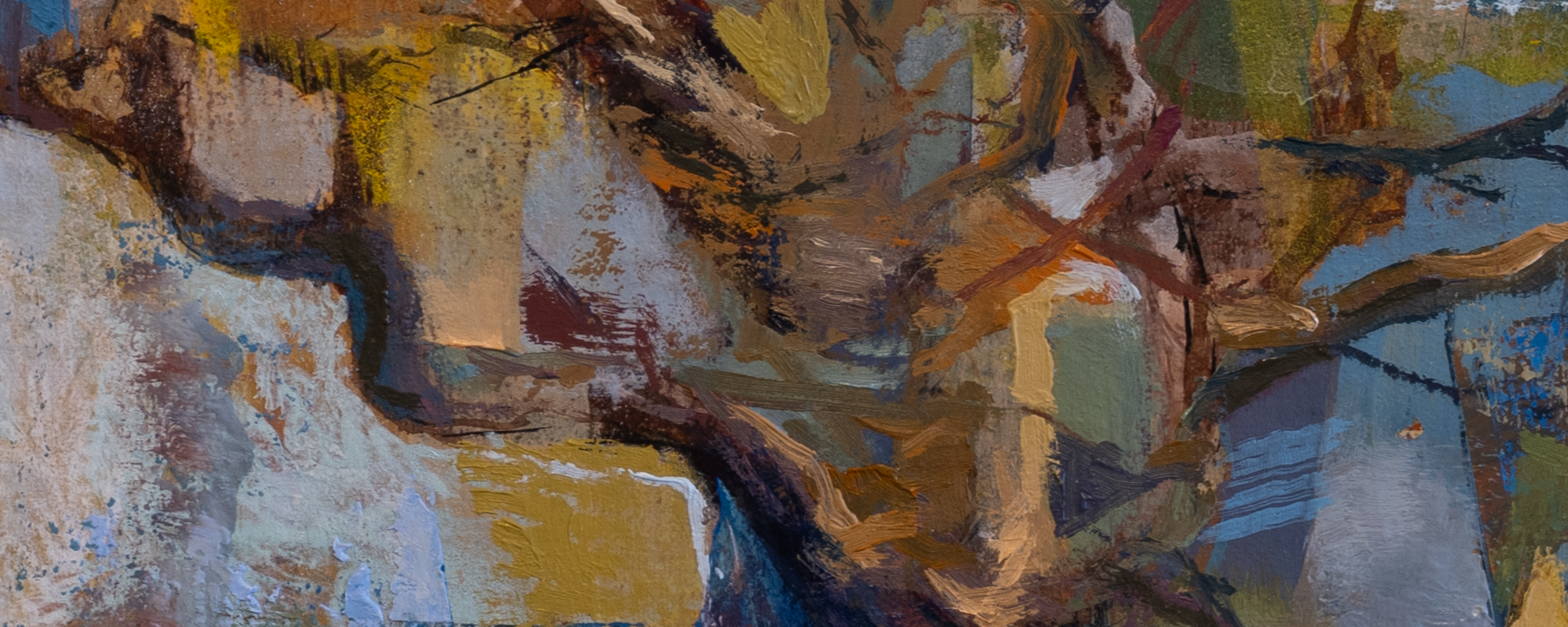
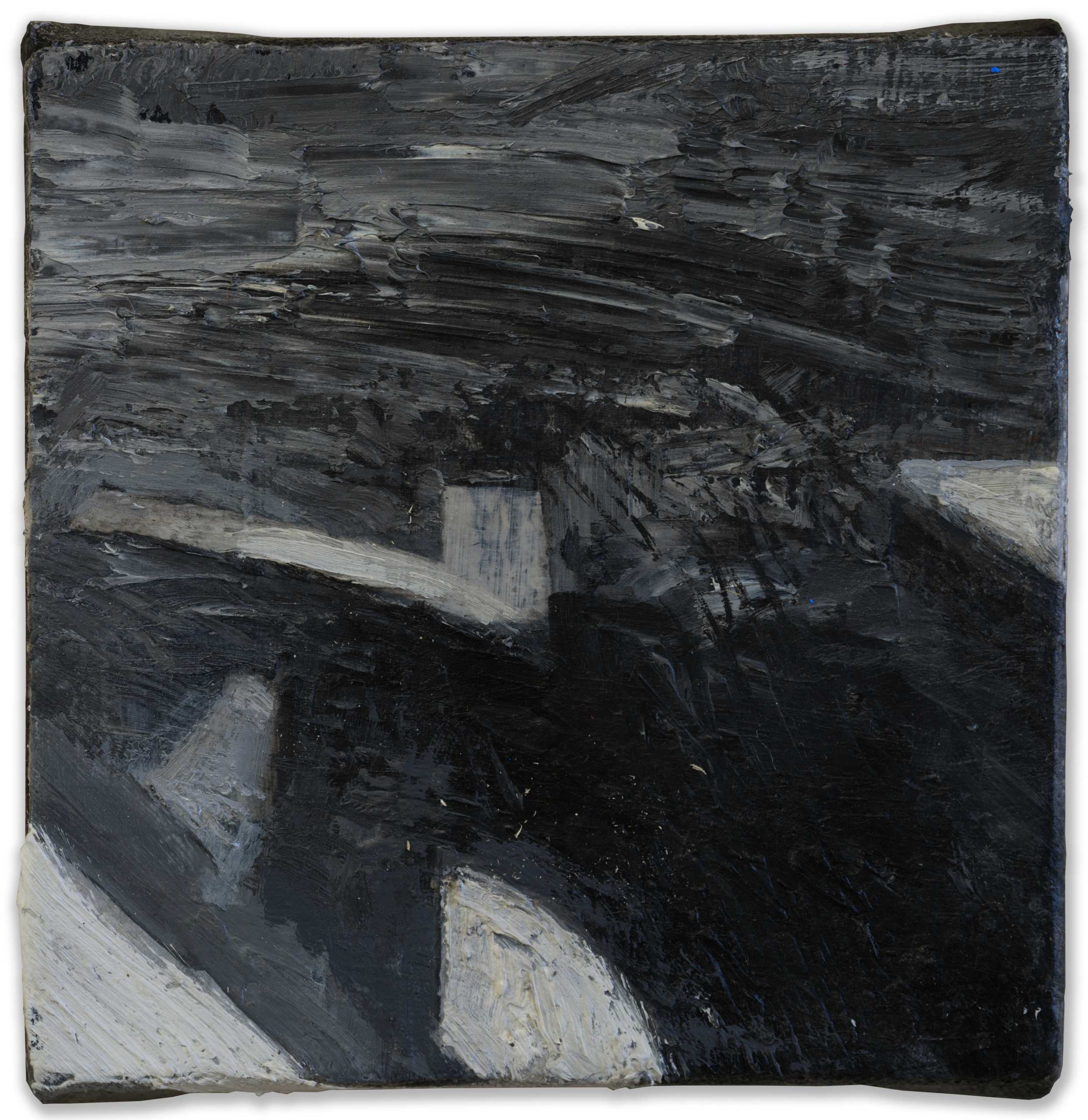
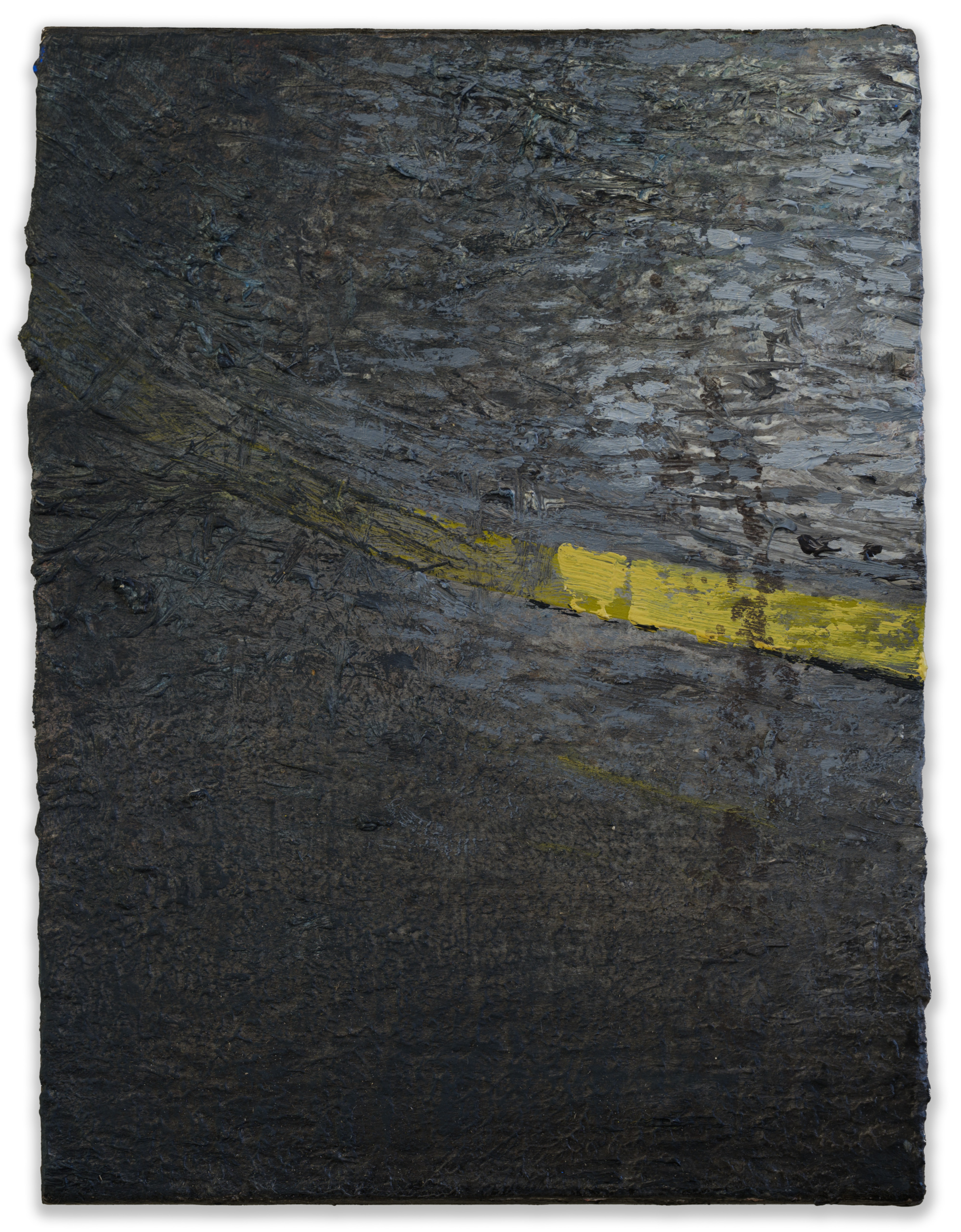


In 2016 these paintings began under a different name. At that time I called it “Journey Scroll” — mostly a note to myself, but a true reflection of the process that the painting underwent. The original inspiration was the scroll, dated to 1623, by Chinese artist Yun Benchu that I found in an oversized calligraphy periodical. It had an amazing fold out print that revealed an ink-scape titled “Layered mountains in the autumn afterglow.” It is an horizontal work of art, with an inscription written by the artist on one side (not pictured), explaining the source of his own work. In the inscription he credits this scroll to a number of different sources. The primary is his friend and possible mentor–a Mr. Lengran. Mr. Lengran has taken Yun on a sailing journey near Nanjing and presumably, in October or November. They are on a river sailing together–Yun says he’s following in the footsteps of Mr. Lengran. His inscription credits a couple other sources: four different artists who have predated him by as much as 600 years. Nonetheless, these artists’ works were on his mind — he had been a student of their works. He was responding to them modestly– he didn’t feel that he had quite lived up to their work. However he contributed his own feeling, but he also responds not only to his present mentor and to the “living dead,” as it were–the artists who had gone long before him, and were still influencing him–but also to contemporaries of his whom he felt didn’t understand his work. He expresses some contempt with their opinions of certain works that he feels are superficial or meaningless. He closes the inscription expressing his longing for a kindred spirit. Continue to read at this link for further details on both Yun’s and my responsive work.
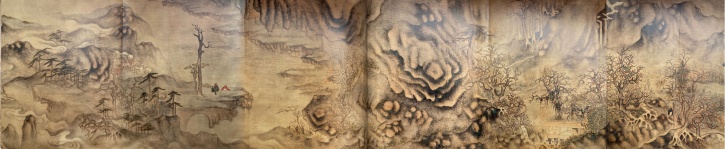
Detail from Yun Benchu’s “Layered Mountains in the Autumn Afterglow” ( 层峦秋季图)1623